

Conservative treatment
Conservative treatment
CONSERVATIVE TREATMENT
Conservative treatment in dentistry aims to save natural teeth through minimally invasive approaches, preventing extractions. This includes caries treatment (fillings/obturations), endodontic treatments (root canal) and preventive measures, such as fluoridation and sealing, with the aim of eliminating bacteria, restoring function and protecting existing tooth structure. This type of treatment is essential for maintaining long-term oral health and avoiding complex dental procedures. In fact, the main goal of dentistry is to save the vitality and functionality of the natural tooth for as long as possible through conservative treatment methods, in order to prevent or postpone premature tooth extraction.
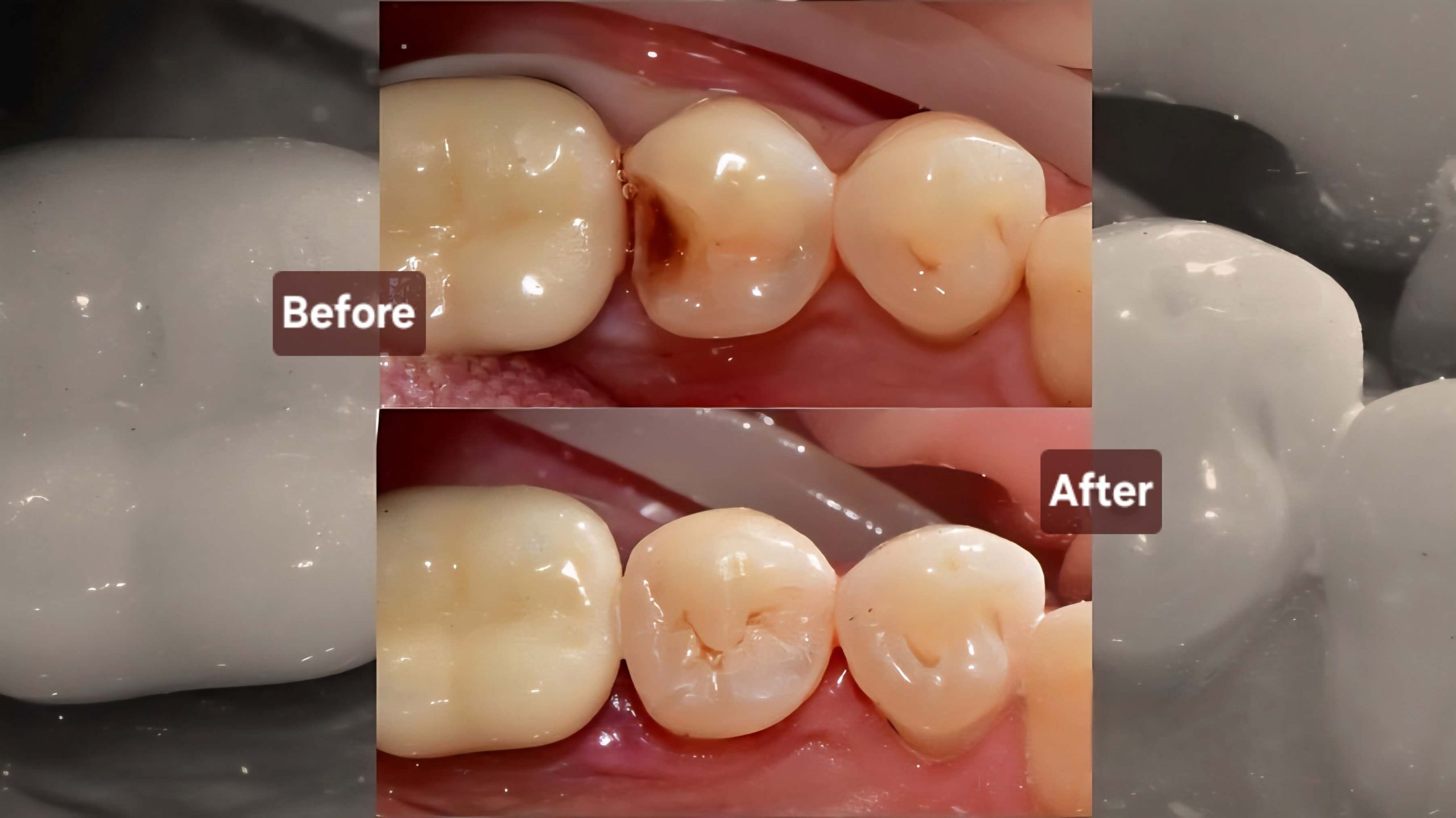
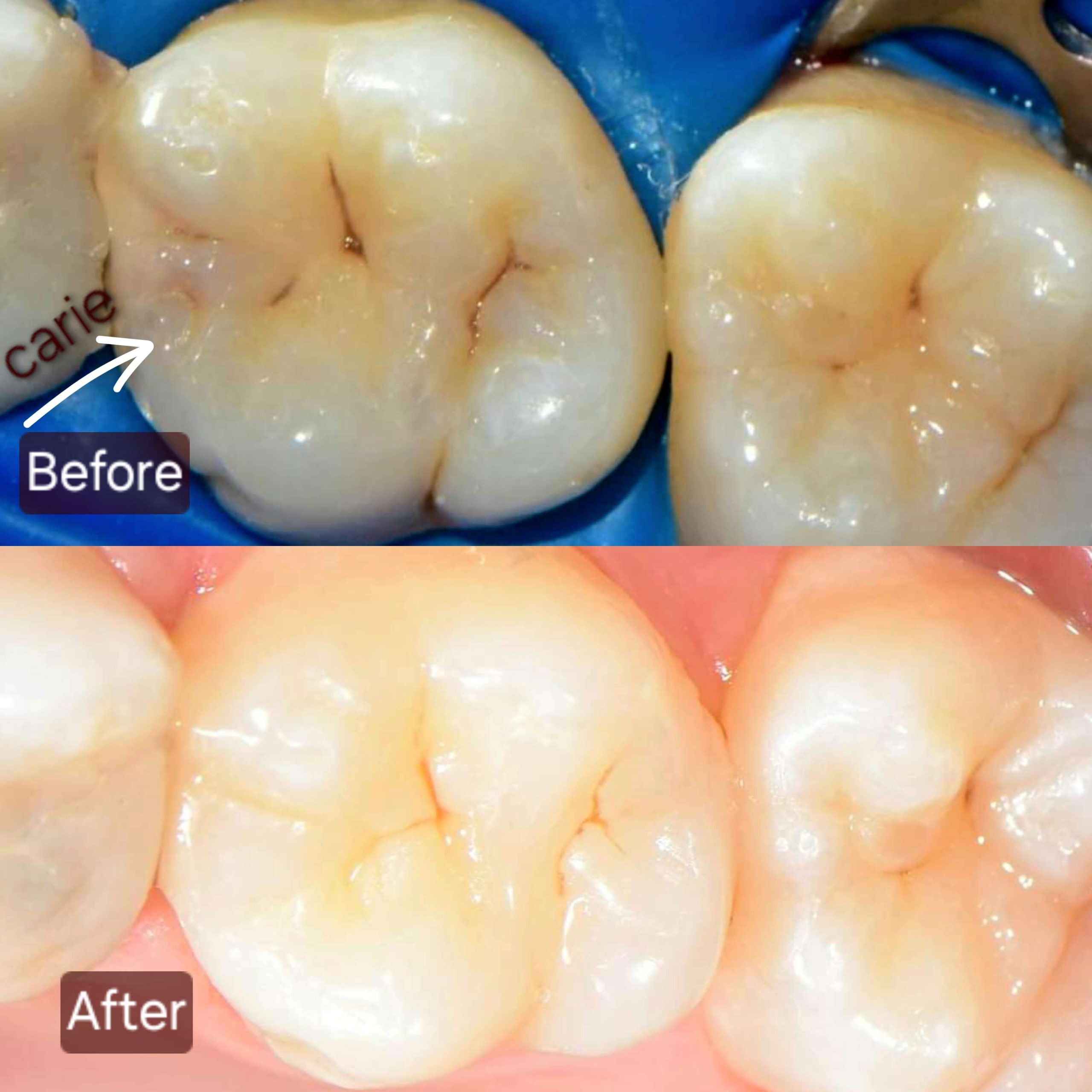
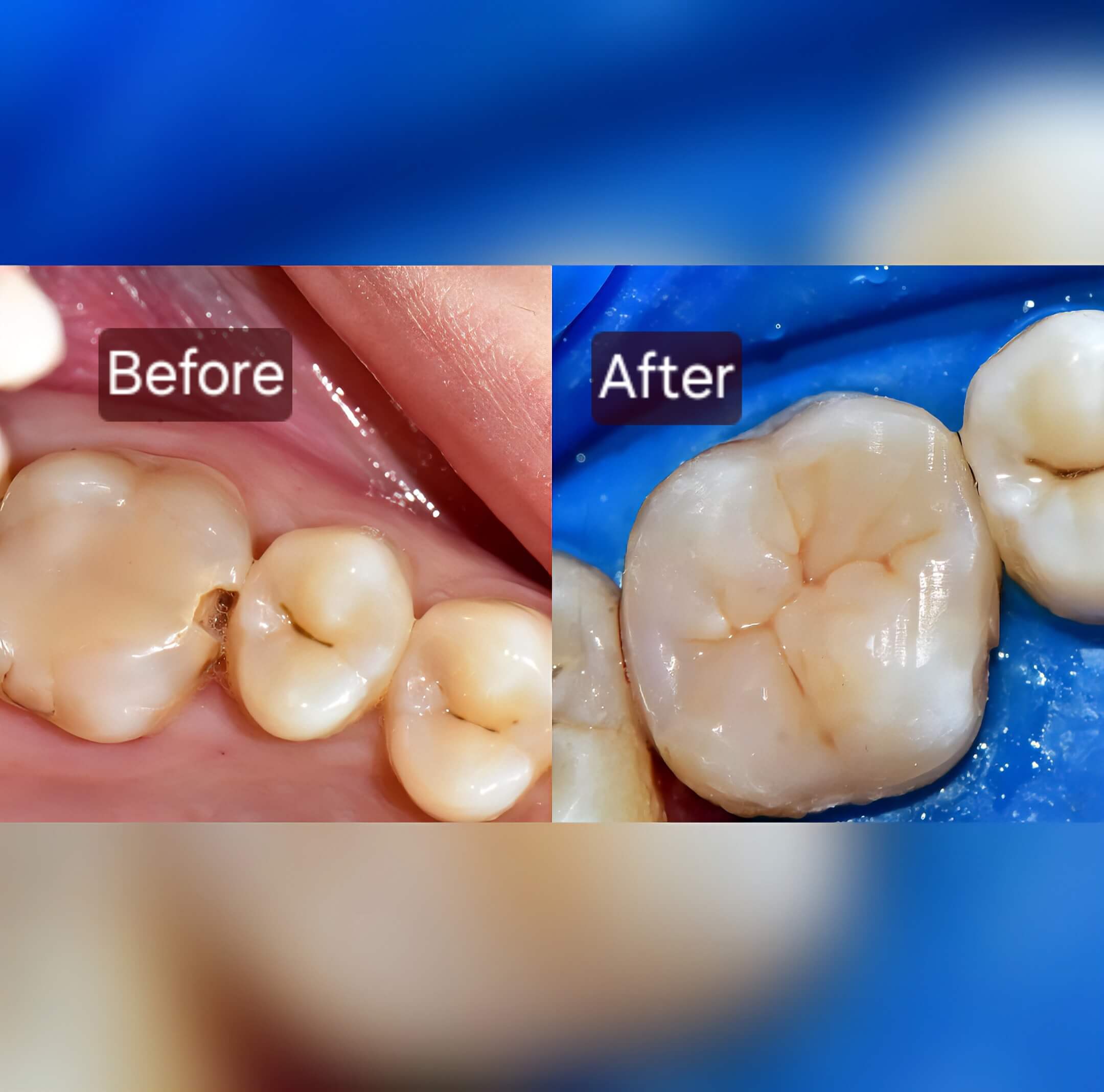
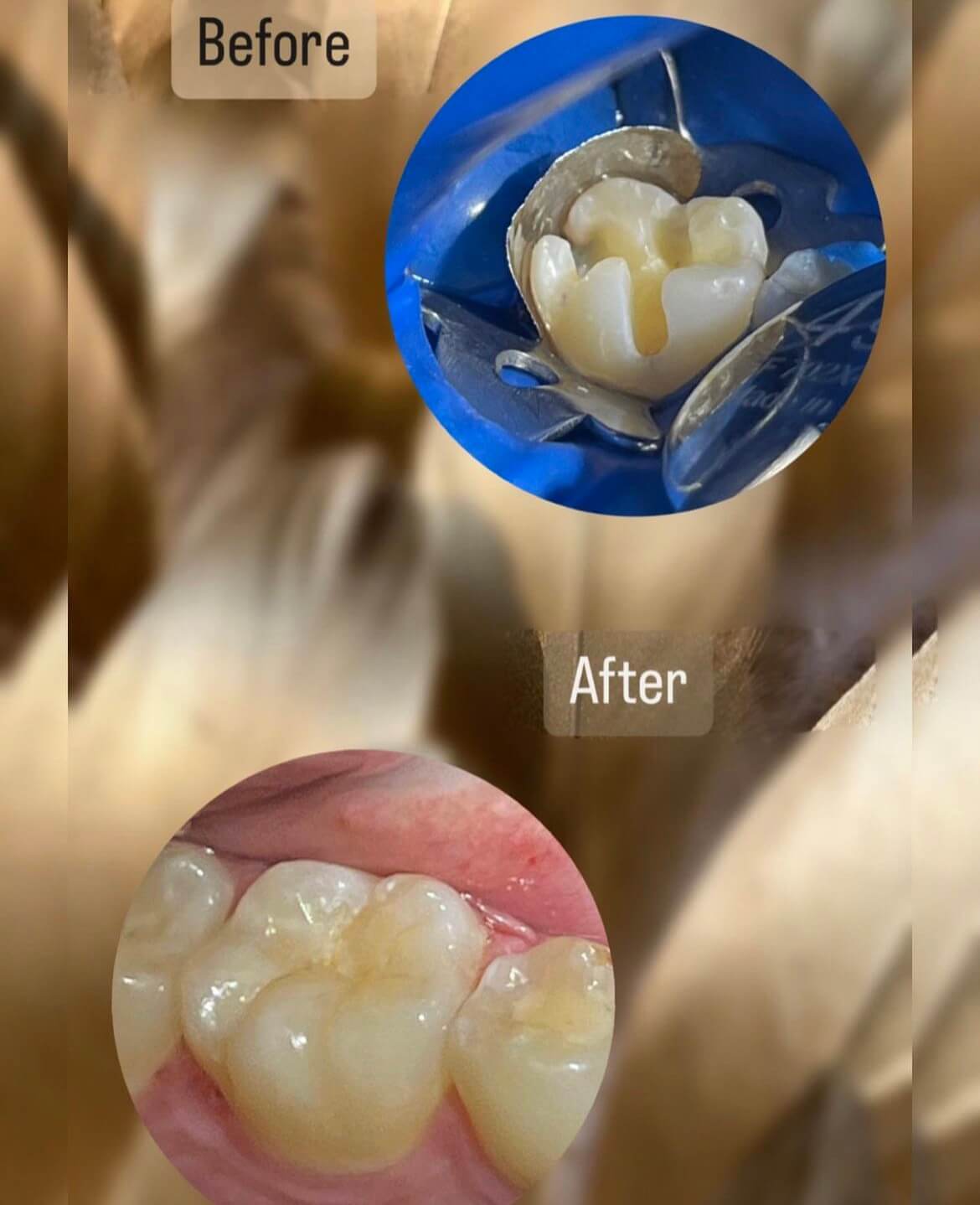
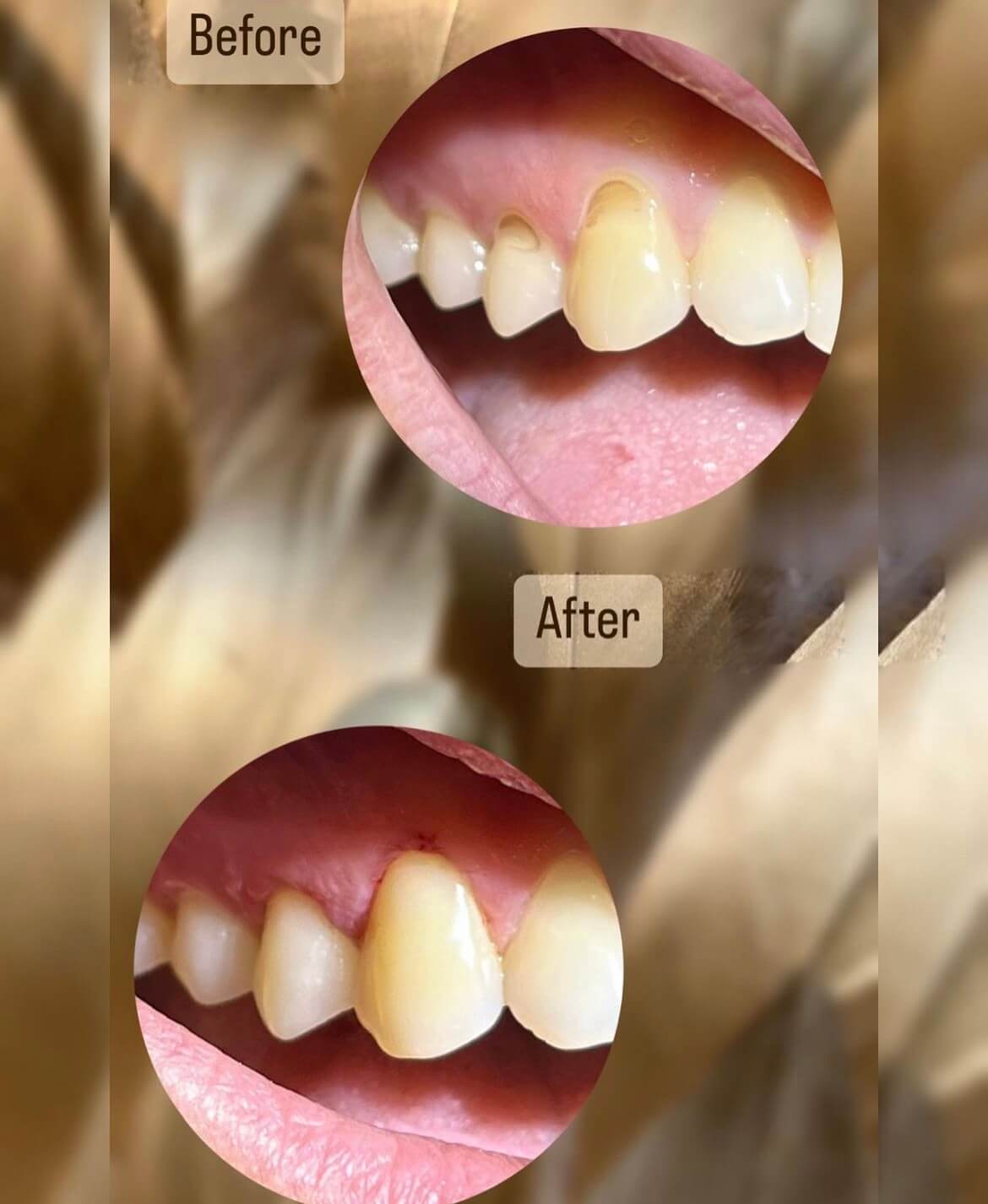
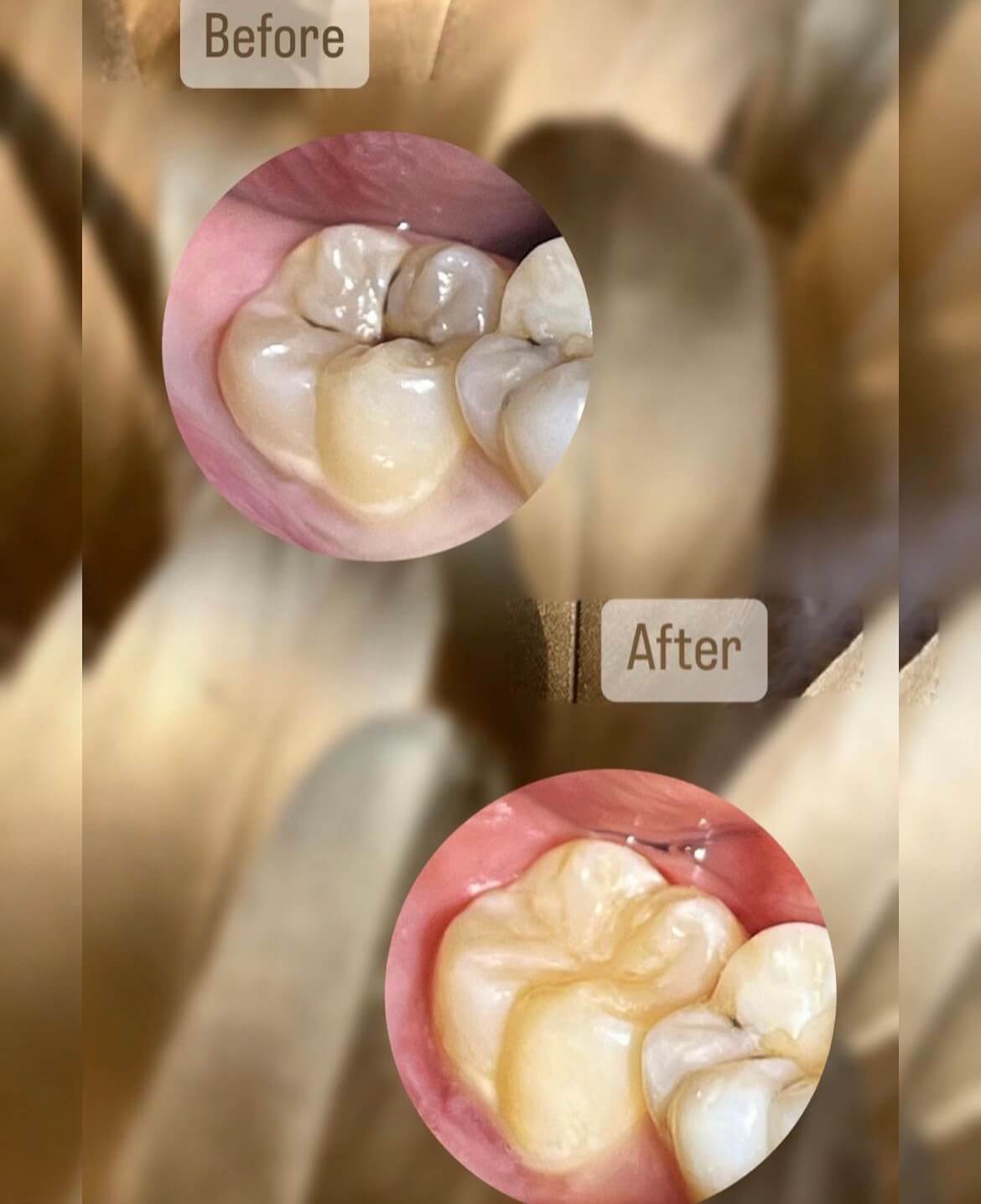
1. Treatment of dental caries
Tooth decay is a common dental disease caused by bacterial plaque. Cavities are one of the most common dental problems, affecting about half of adults. The most prone areas to cavities are the bite surfaces of the teeth and the areas between the teeth, where food debris often gets stuck. In the early stages, cavities do not show any symptoms, but your dentist can tell if you have cavities by examining dental X-rays. This is one of the reasons why regular visits to the dentist are so important.
Once decay reaches the dentin, tooth sensitivity occurs, especially to sweet, acidic, or hot foods and drinks. As the decay reaches the pulp, pain also occurs. If the pain occurs with sweet or hot foods, it only lasts a few minutes or seconds. The further it gets inside the tooth, the decay causes persistent pain, which only subsides with the help of medication. At this point, a visit to the doctor is essential, as dental abscesses, such as pulpitis, namely, periapical lesion, may develop. Pain is a symptom that can indicate the involvement of several teeth, and neglecting it leads to complications such as tooth loss.
Treatment of dental caries involves removing the affected tissue and restoring the tooth through filling (obturation), inlays (inlay/onlay) cementation, depending on the depth. The procedures include local anesthesia, isolation with rubber dam, mechanical and medicinal processing of the cavity, application of calcium in deep cases, application of a light-curing composite filling material and finally polishing of the filling.
Advantages of caries treatment:
- stops the development of cavities
- restores the shape and function of the tooth
- elimination of sensitivity to hot and cold
- eliminating pain when chewing
- minimally invasive procedure
- prolongs the vitality of the natural tooth
2. Endodontic treatment
Endodontic treatment, also known as root canal treatment or nerve removal, is a dental procedure that saves teeth affected by severe infections or inflammation by removing the diseased dental pulp (nerve, blood vessels), cleaning and disinfecting the root canal system, sealing them tightly to prevent reinfection, and ultimately restoring the tooth's function.
There are various causes that lead to the need for endodontic treatment. The most common causes of inflammation or infection of the dental pulp are: deep dental caries, severely damaged fillings, dental trauma. General and local infections can also reach the dental pulp. The fact is that severe toothache is a typical sign of deep dental infections.
Depending on the severity of the inflammation of the dental pulp, endodontic diseases are divided into two types: pulpitis and periodontitis ..
Pulpitis is one of the most common complications of caries and requires immediate treatment. The pulp is a living tissue, which includes nerve fibers, muscle fibers, capillaries, connective tissue and cells responsible for the nutrition and vitality of the tooth. For this reason, pulp inflammation causes intense pain, and lack of treatment almost always leads to destruction of the root canals, the formation of a cyst, the development of periodontitis, and even tooth loss. Pulpitis can be caused by exogenous (chemical, traumatic, thermal, etc.) and endogenous (penetration of bacterial plaque/untreated caries) factors.
Pulpitis can be acute or chronic. The acute form is manifested by intense pulsating pain, which often worsens at night or upon contact with various thermal or food stimuli. Chronic pulpitis has a slower evolution, can return with periods of exacerbation, and sometimes manifests subtly, increasing the risk of cyst formation. It is important to understand that the pulp is not just a “nerve”, but a complex micro-circulatory system. During inflammation, intra-pulpal pressure increases rapidly, causing severe pain and damage to the vascular-nerve bundle.
Periodontitis is a serious complication of untreated caries. It occurs in the form of an inflammatory process at the tip of the tooth root. As a rule, this inflammation is the body's reaction to a complication of untreated dental caries. Microbes that penetrate the carious cavity, descend into the root canal and inflame the nerve (a condition called pulpitis). Without proper treatment, microbes multiply and penetrate the hole at the tip of the root, called the "apex". Upon exiting the apex, microbes affect the tissues and ligaments surrounding the tooth root. This severe inflammatory condition of the tooth's supporting tissues (gums, alveolar bone) caused by bacteria leads to bone loss and, if untreated, to tooth loss. Some symptoms of periodontitis are tooth mobility, the sensation of a "bulky" tooth, pain upon contact with the tooth, purulent discharge either from the tooth or from the fistula that forms on the adjacent gum. Treatment involves eliminating the infection, deep cleaning and rigorous hygiene. Among the applicable procedures are pulp removal and root canal filling, followed by tooth reconstruction, in complex cases, root amputation or apical resection, cystectomy (cyst removal surgery).
Advantages of endodontic treatment:
- eliminates pain and infection
- saves the tooth from extraction
- avoiding expensive treatments
3. Restorations for prosthetic purposes
Restoration under a dental crown involves rebuilding the abutment tooth affected by decay or fracture, using composite materials or posts, before making an aesthetic crown on this tooth. This is essential to prevent tooth loss and to ensure the long-term stability of the prosthetic work, while by restoring for prosthetic purposes the doctor provides the necessary adhesion surface for fixing the dental crown.
Advantages of restoration for prosthetic purposes:
- stabilizes the tooth structure
- prepares the tooth for prosthetics
- increases long-term strength
- facilitates prosthetics based on natural teeth
Why choose us?
Choosing a dental clinic is an important decision. At MEDDENT, we combine solid medical experience with modern technology and a patient-centered approach to ensure every visit is safe, comfortable, and efficient.
Experience & professionalism
Highly experienced dentists dedicated to excellence and long-term oral health.
Personalized treatments
Solutions tailored to your needs, clearly explained and delivered with care.
Modern technology
Advanced equipment for precise, safe, and efficient treatments.
Friendly atmosphere
A comfortable environment for children, adults, and the whole family.
Frequently Asked Questions
Is dental treatment painful?
How often should I come for a dental check-up?
What should I do if I have a toothache?
Is dental anesthesia safe?
How long does a dental treatment take?
Book an Appointment

+373 22 210 407


Book an Appointment
+373 22 210 407
